



From production to market: How the CAP supports more local and fairer supply chains
The Common Agricultural Policy (CAP) is about more than providing income support to farmers. Through the CAP Strategic Plans 2023–2027, it also encourages cooperation and innovation, bringing farmers, researchers, businesses and other actors together to find practical solutions to challenges across the agricultural sector.
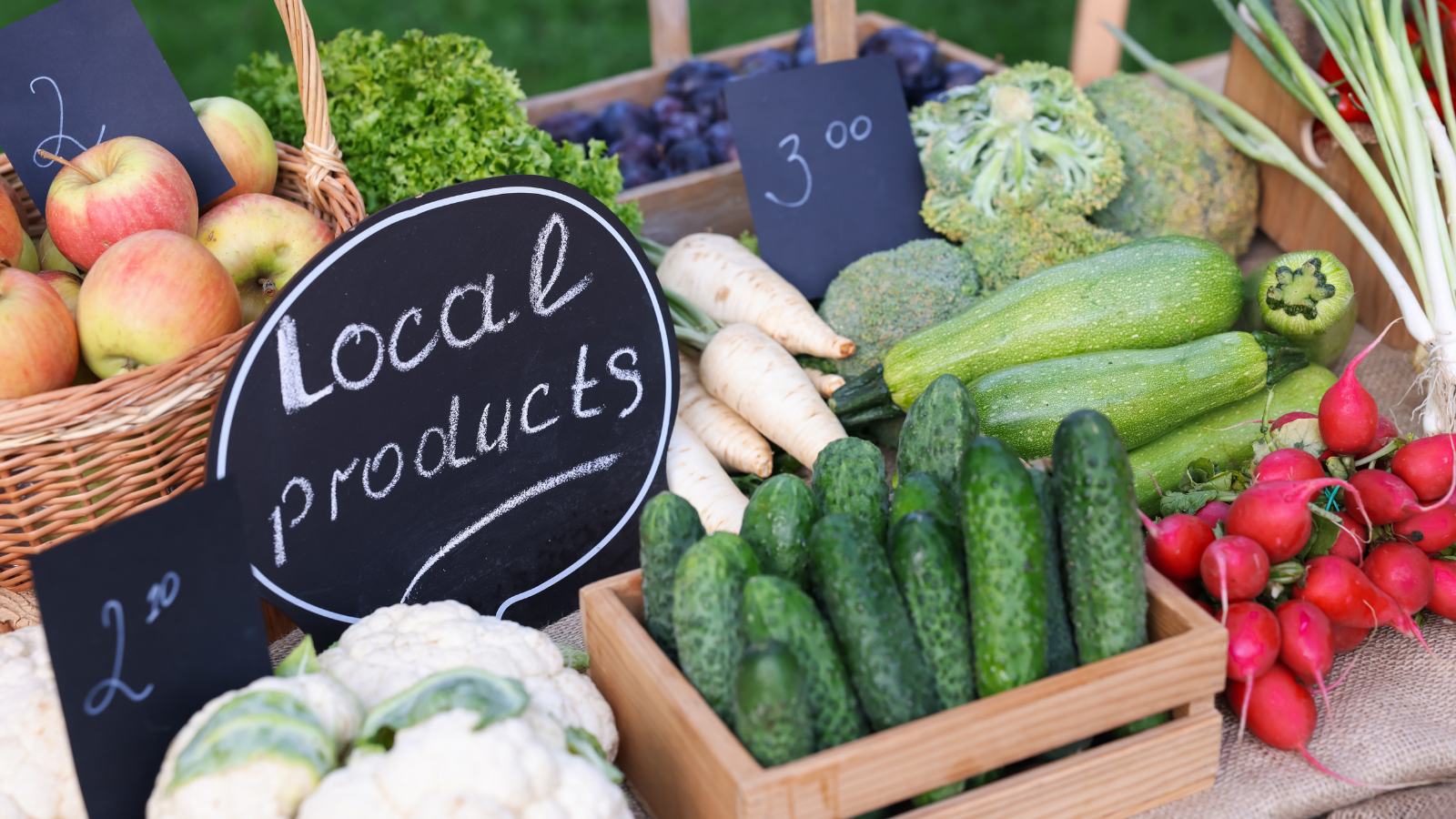
Operational Groups are an important part of this approach. They bring together people with different expertise to tackle a specific challenge or develop a new idea. Short and local supply chains are a good example: they can bring farmers closer to consumers and markets, create new opportunities to sell their products and help producers capture a fairer share of the value they create. Here are three examples of how this works in practice.
Making local meat sales easier
Selling meat directly through short supply chains can open up new opportunities for livestock farmers, but access to suitable and approved infrastructure can be a challenge. An Operational Group in Belgium is exploring solutions for small-scale meat-cutting facilities that can serve local producers. The project also provides practical guidance and encourages cooperation between farmers and other professionals in the sector, helping remove one of the barriers to developing shorter, more local supply chains.
Building a local supply chain for organic protein crops
Another project brings organic farmers together with a local food processing company to build a sustainable supply chain for protein crops. It follows the entire journey of yellow peas, from cultivation and post-harvest handling to product development and marketing. By connecting farmers and processors more closely, the project aims to create new market opportunities and build a more local and transparent supply chain.
PeaPact²: Sharing value more fairly
PeaPact² looks at how a local yellow pea supply chain can grow while remaining both economically viable and fair. Alongside testing farming practices and solutions for storage and quality, the project focuses on fair pricing and how risks are shared between farmers and buyers. The aim is to build stronger, long-term partnerships where the value created along the supply chain is shared more fairly.
These projects show that CAP support does not stop at the farm gate. Cooperation, processing, market access and fairer business models all play a role in building stronger agricultural value chains. Through Operational Groups, farmers and other agri-food actors can work together to develop solutions that respond directly to their needs and local realities.
Looking for more examples or inspiration for new ideas and partnerships? The EU CAP Network project database brings together Operational Groups and other innovative projects from across Europe, showcasing practical solutions that contribute to the objectives of the CAP.