



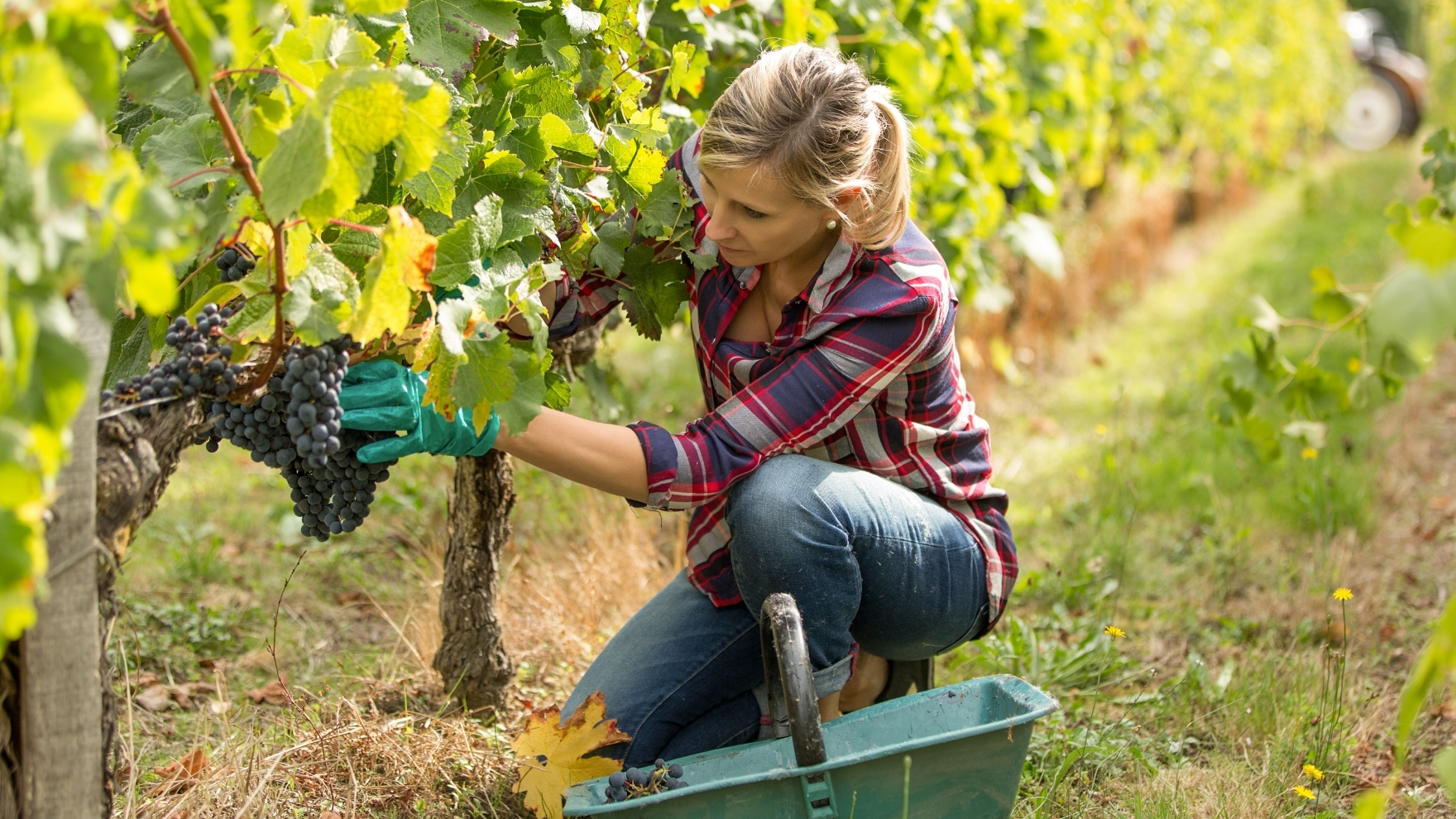
Women in Agriculture: How the CAP Supports Gender Equality
Women play an active role in agriculture across Europe, cultivating, producing, and driving innovation, while managing approximately 30–31% of farms. Despite their crucial role in agricultural production, they often face challenges such as limited access to land, financing, and decision-making. Although significant progress has been made toward gender equality over the past century, much remains to be done to achieve full equality across all social, economic, and political sectors. Recognising the important role of women in the agri-food chain, the Food and Agriculture Organization of the United Nations (FAO) has declared 2026 the International Year of the Woman Farmer.
The Common Agricultural Policy (CAP) is taking action on that matter. For the first time in the 2023–2027 programming period, the CAP sets gender equality and the increased participation of women in agriculture and rural development as one of its key objectives. This means that Member States are called upon to identify and address the gender gap in the agricultural sector, focusing on employment, decision-making, and access to resources.
Within this framework, measures are being implemented such as increased funding and targeted support for women in agriculture. Their participation in local LEADER action groups is also being strengthened. In addition, initiatives such as FLIARA and SWIFT under Horizon Europe, as well as the Agricultural and Rural Inspiration Awards (ARIA), highlight women as leaders and innovators in agriculture, while the EU CAP Network works actively to support them and strengthen their role in rural development.
Furthermore, according to the CAP 2023–2027 legislation, for the preparation of national strategic plans, Member States must collaborate with organizations that promote gender equality, ensuring that women and men in agriculture have equal opportunities, access to resources, and participation in decision-making.
In this way, the CAP stands by women farmers and livestock breeders, ensuring that they can have the role they deserve in the development of rural areas and society as a whole.