Building Effective New Narratives to Shape European Global Leadership in the Digital Age
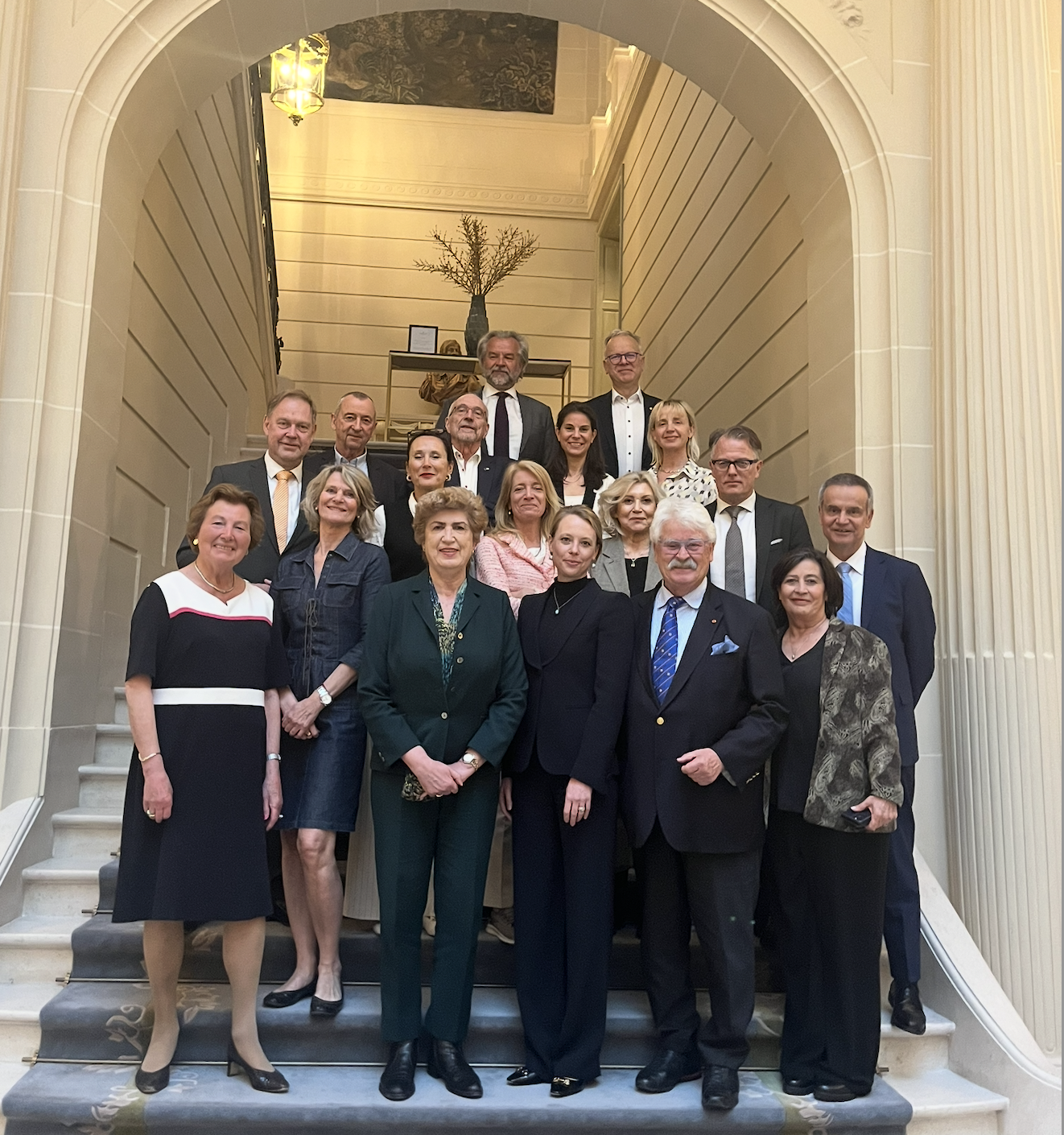
RIE’s Advisory Board deliberated on Europe’s opportunity to become the architect of the digital civilization
“No to autocrats. No to a world of empires”.
“Common understanding of human rights and dignity”.
“Strategic authonomy and new strategic partnerships”.
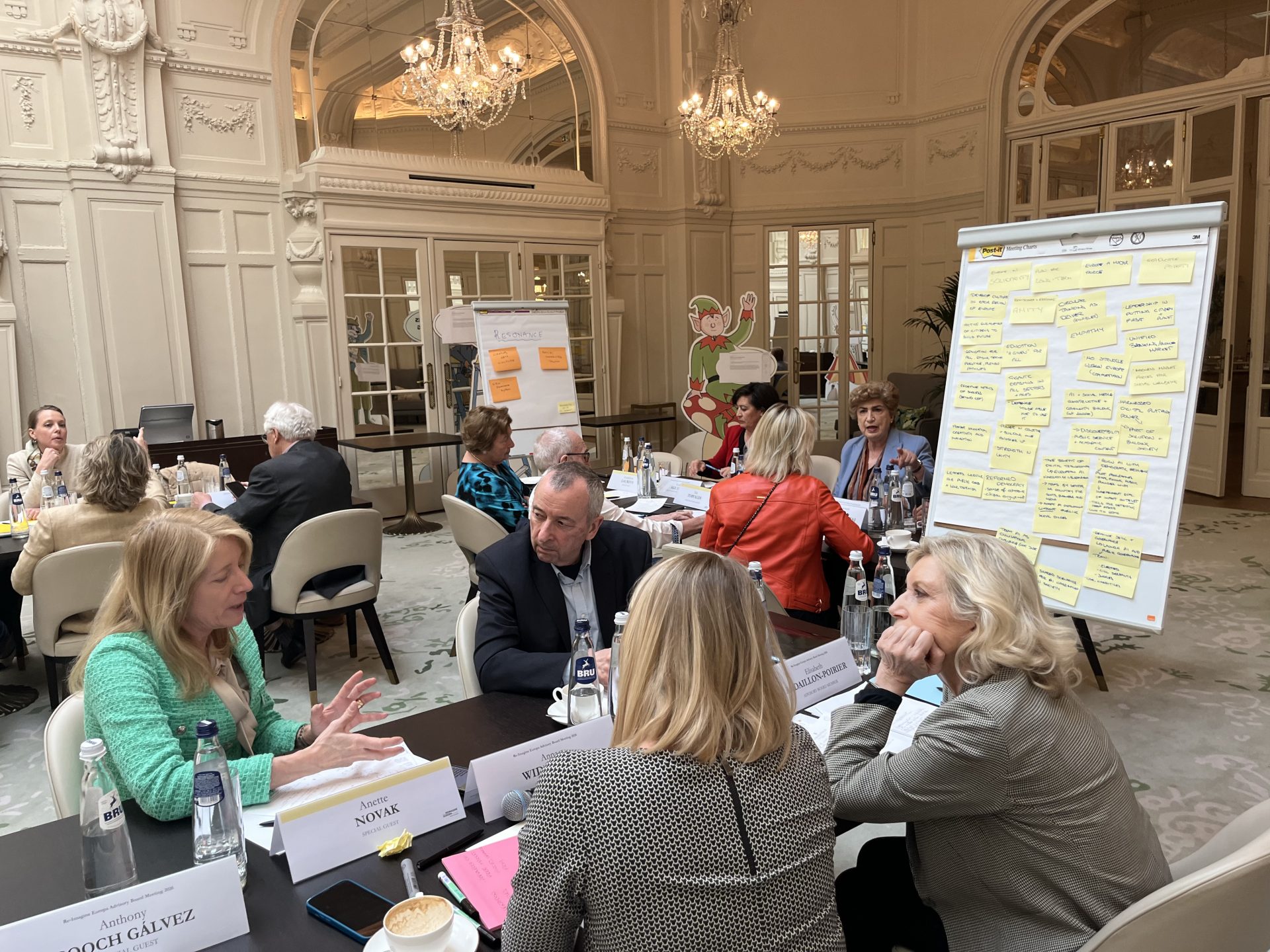
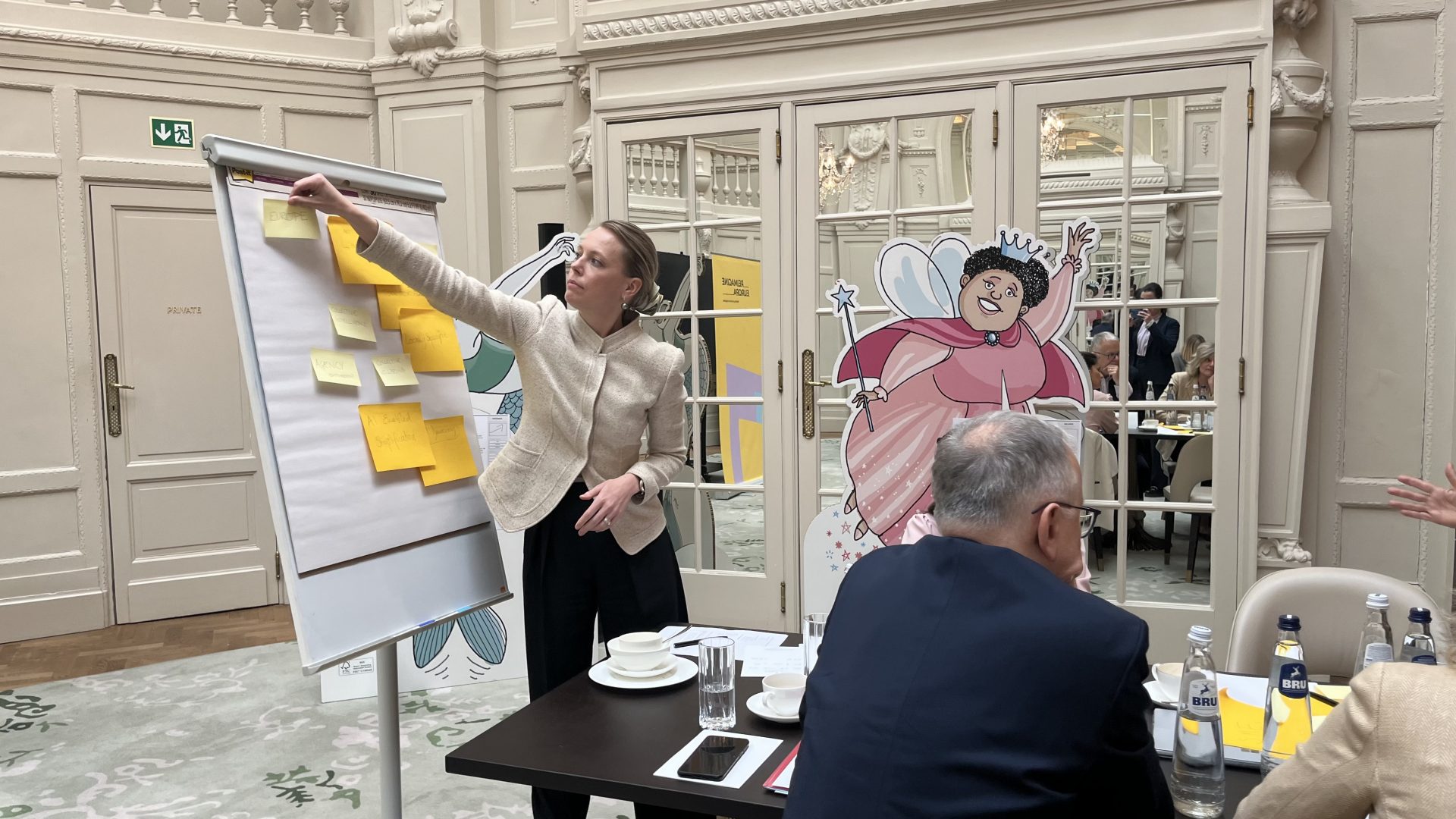
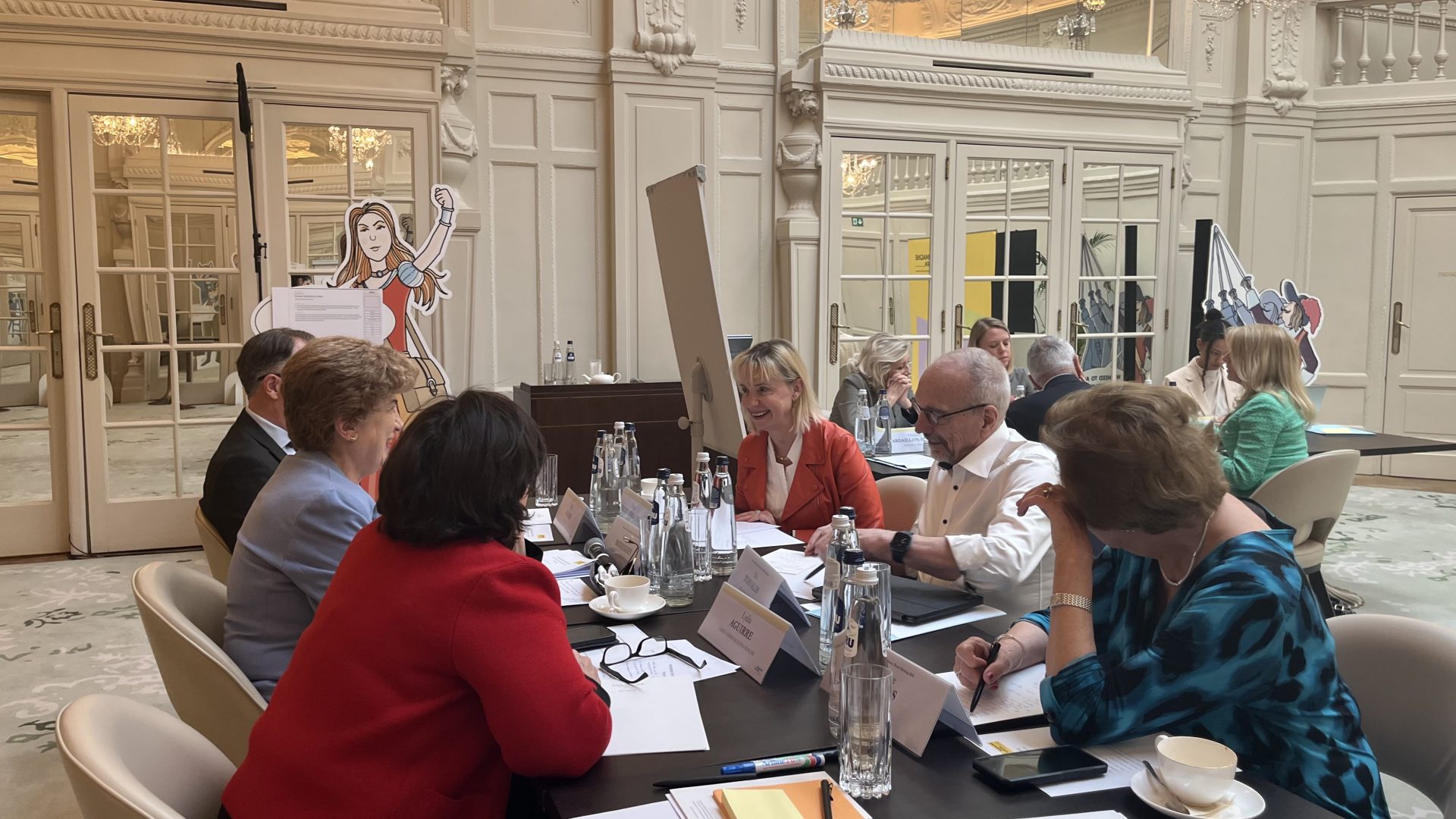
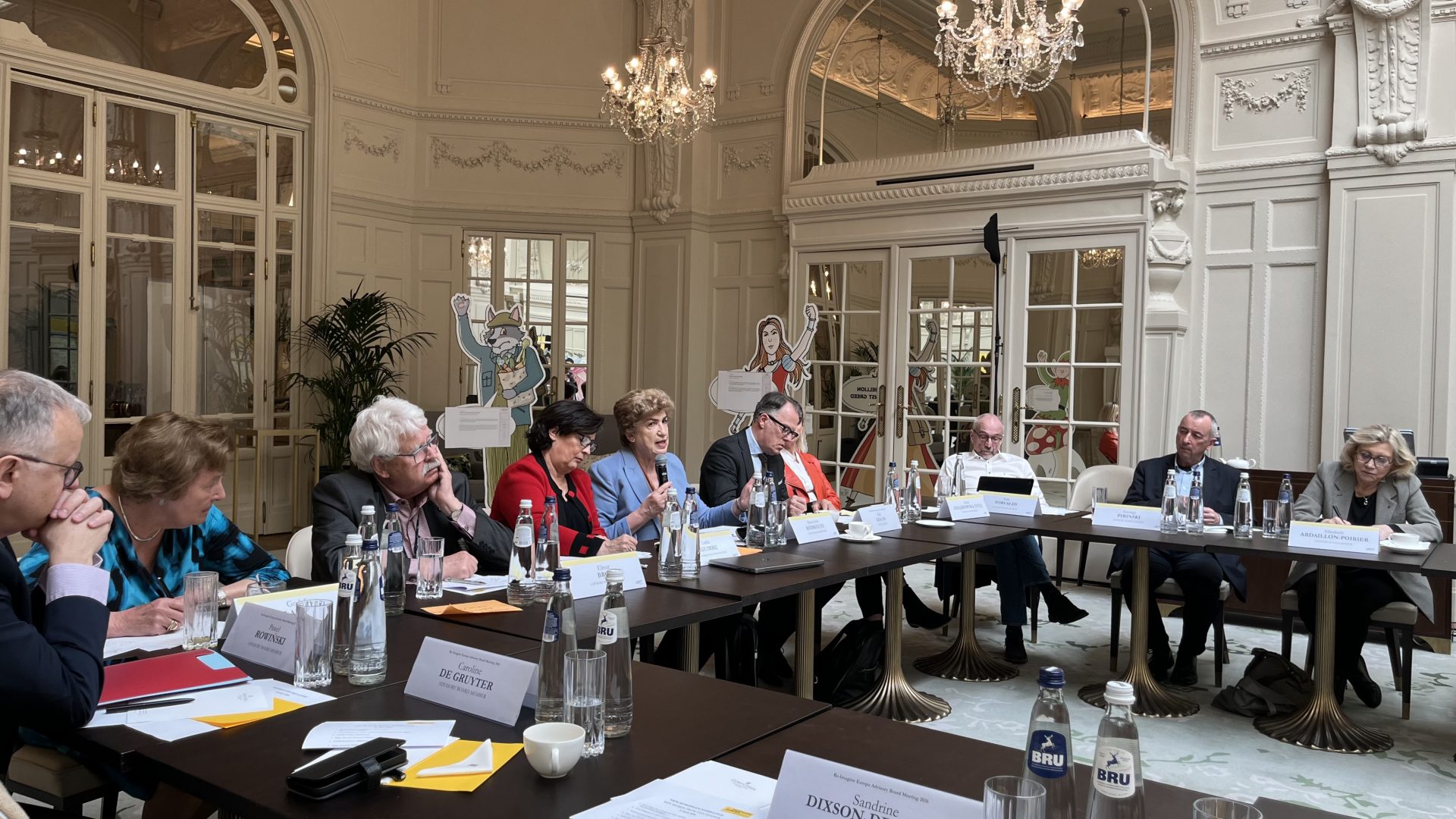
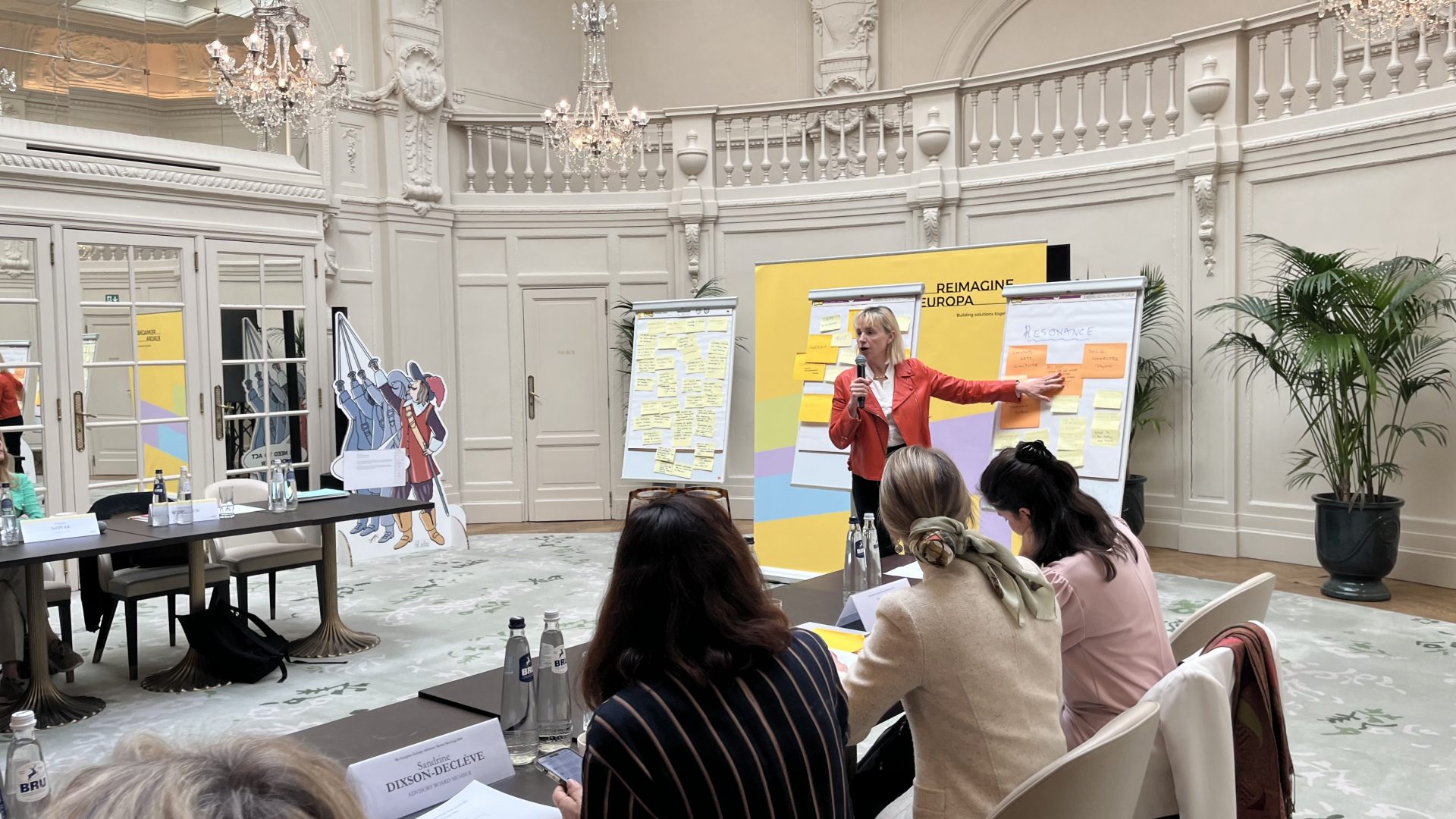
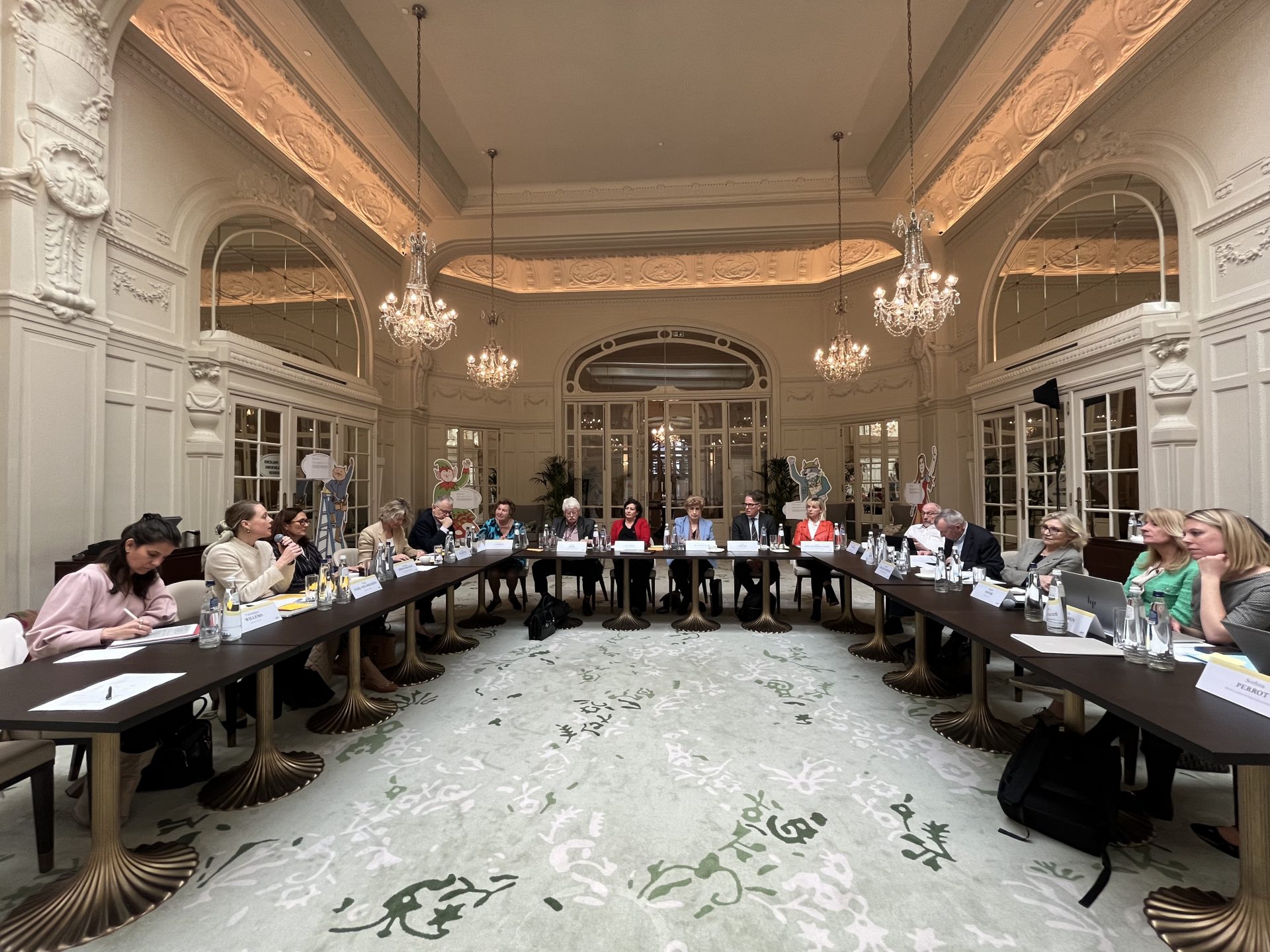
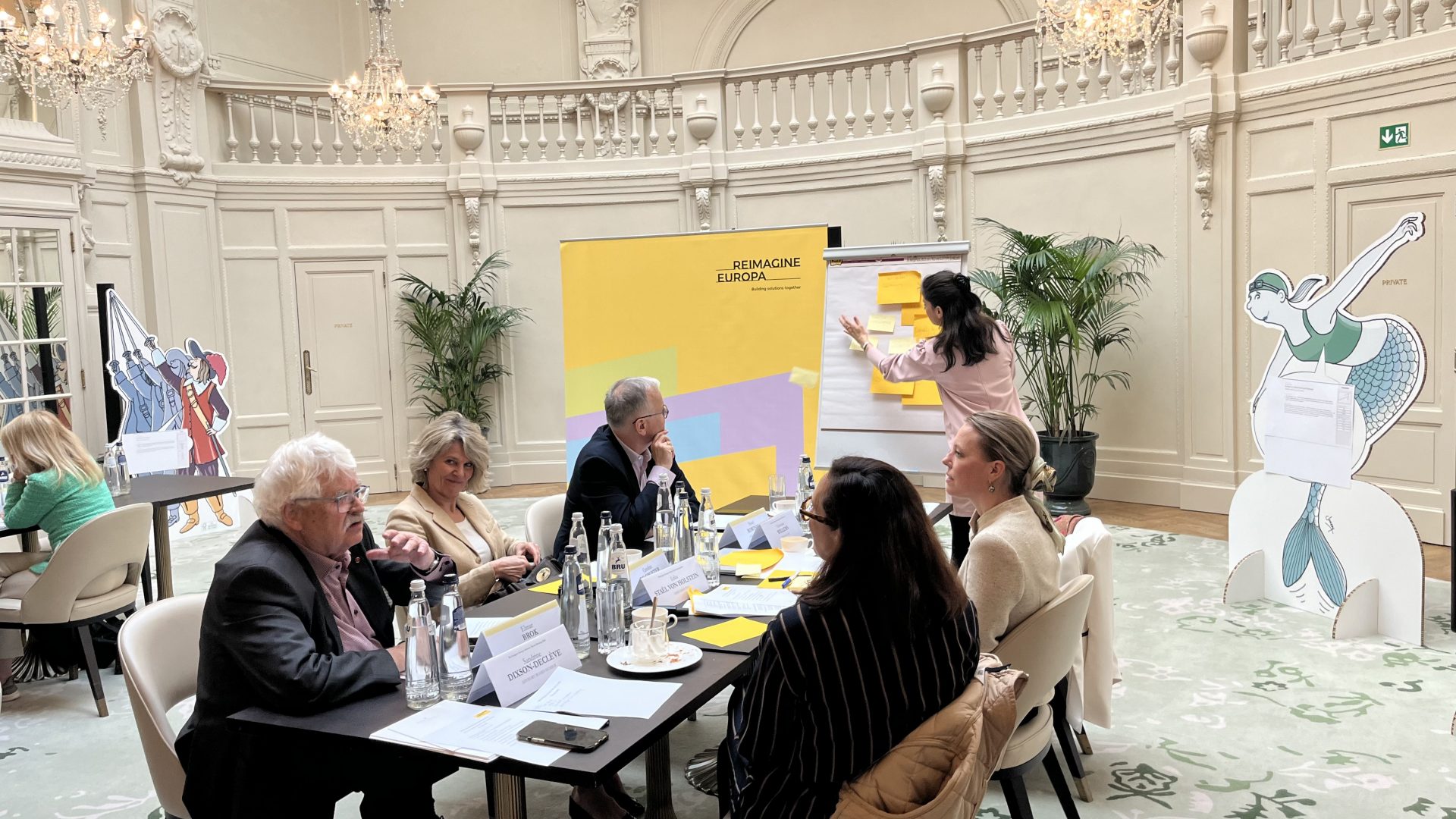
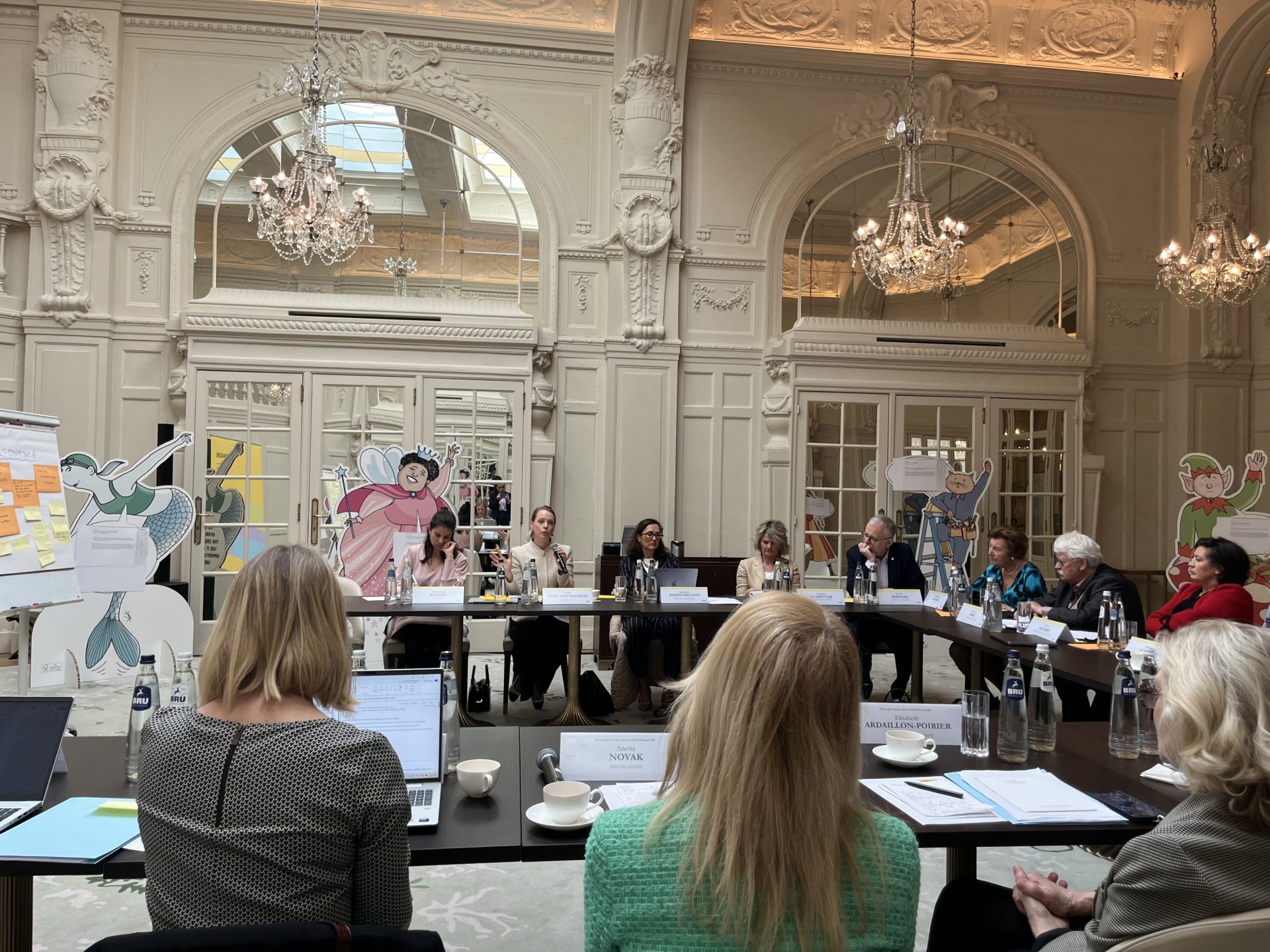
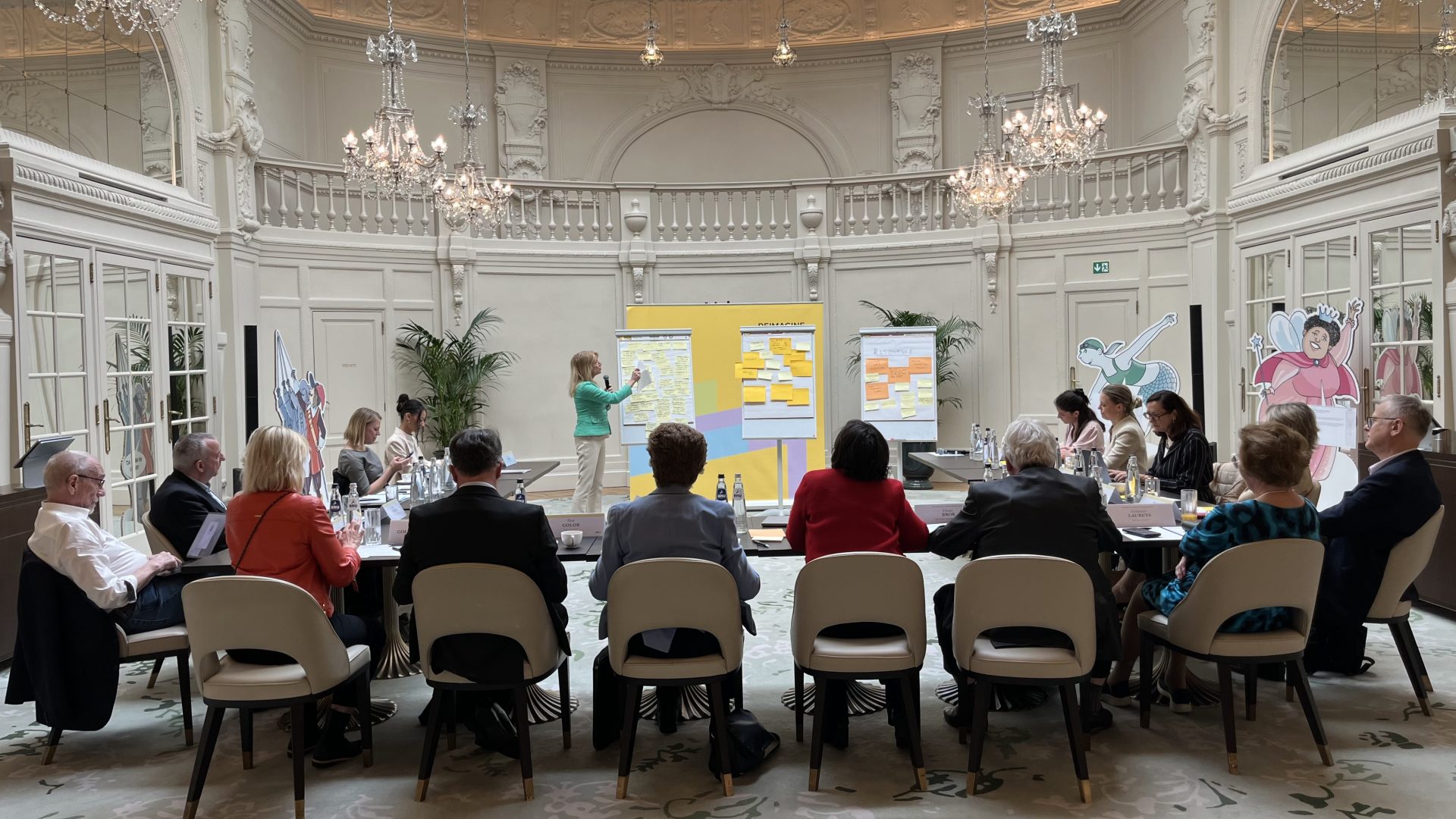
Against a backdrop of geopolitical instability and technological acceleration, the Advisory Board of Re-Imagine Europa (RIE) convened in Brussels with a clear ambition: not simply to diagnose Europe’s challenges, but to build a new narrative for Europe’s global leadership in the digital age.
At the heart of the discussion was a shared recognition that Europe has too often defined itself reactively, caught between nostalgia for a fading global order and a pervasive pessimism about the future. Neither, participants argued, offers a viable way forward. Instead, Europe must articulate a more assertive sense of purpose, grounded in its own values and capacities.
Maria João Rodrigues, chair of the advisory board, captured this shift succinctly: “We must be proud of our capacity as a civilization to build democracy at all levels. To those who think they can reorganize the world through military technology and economic power alone, we must say we do not accept this.” Her intervention set the tone for a broader rethinking of Europe not merely as a regulatory actor, but as a political and civilizational force capable of shaping global norms.
Central to this reorientation is the need to move beyond imitation. For decades, Europe’s technological ambitions have been measured against the model of Silicon Valley, with its emphasis on scale and speed. Yet this framework sits uneasily alongside Europe’s economic and social contract. Rather than chasing a model that reflects other’s priorities, RIE’s board argued for a distinctly European approach: one that places human agency at the centre of technological development.
In this framing, Europe’s often-criticised strengths – robust labour protections, social welfare systems and regulatory safeguards- become our most strategic assets. As artificial intelligence reshapes economies and societies, these features should be the core basis of a more balanced digital ecosystem, where innovation is aligned with social and economic stability as well as individual autonomy.
A compelling vision of Europe’s future
Érika Staël von Holstein, Chief Executive of Re-Imagine Europa, emphasised the importance of narrative in making this shift tangible: “We have a crisis of leadership and imagination, but also a moment of immense opportunity.” For her, the task is not only institutional but cultural: bridging divides by focusing on shared aspirations for security, purpose and belonging, and translating them into a compelling vision of Europe’s future.
This vision is closely tied to the idea of strategic autonomy, though understood in broader terms than traditional debates about defence or supply chains. It encompasses the capacity to invest, innovate and govern on Europe’s own terms. While the continent retains significant private wealth and technical expertise, these resources have not always been mobilised effectively. Short-term incentives, both political and financial, continue to favour immediate returns over long-term transformation.
Addressing this imbalance will require new mechanisms to channel investment into strategic priorities, from digital infrastructure to clean energy. More fundamentally, it demands a shift in mindset: from cautious management to deliberate shaping of the future.
Participants stressed that strategic autonomy should not be mistaken for isolationism. On the contrary, they highlighted that Europe’s capacity to act independently must go hand in hand with a renewed commitment to global engagement. The objective is not withdrawal, but more purposeful cooperation, building strategic partnerships that reflects European priorities while remaining open and reciprocal. In a more fragmented international landscape, autonomy and interdependence are not opposites but complements and mutually reinforcing: the stronger Europe’s capacity to shape its own course, the more credible and influential it becomes as a partner worldwide.
A human-centered AI
The transformative impact of artificial intelligence on society occupied a significant part of the discussions, serving as a focal point for broader concerns about Europe’s future. In this context, AI was framed not simply as a technological challenge but as a defining test of Europe’s model. As algorithms increasingly mediate how individuals think, decide and participate in society, the stakes extend well beyond productivity, raising a fundamental question: how to ensure these systems enhance, rather than diminish, human agency.
Against this backdrop, several Advisory Board members highlighted that Europe has a clear opportunity to lead not only through regulation, but positioning itself as the arquitect of a new digital civilisation, grounded in a more participatory and human-centred digital environment. Engaging younger generations, often sceptical of traditional institutions, will be crucial to making that vision both credible and enduring.
What emerged from the Brussels discussions was a growing sense that Europe’s future will depend less on its ability to follow global trends than on its willingness to define them with clear leadership. Building a new narrative—credible, inclusive and rooted in European values—may prove as important as any specific policy.
In that sense, the work of Re-Imagine Europa’s board points toward a broader transformation: from a continent that adapts to change, to one that actively shapes the terms of the global future.