
Building a Shared Vision for Sustainble and Human-Centered AI at the Digital With Purpose Summit
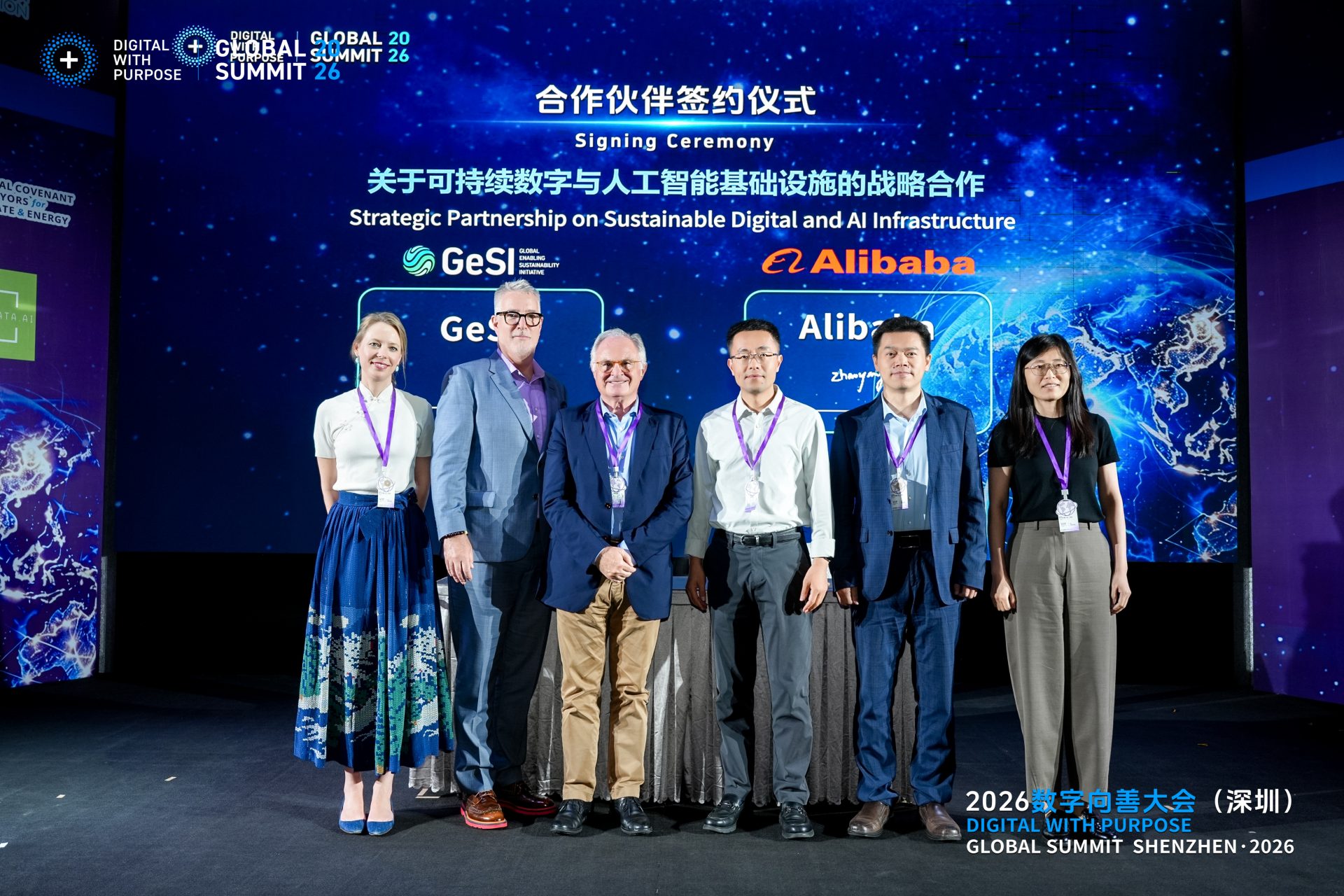
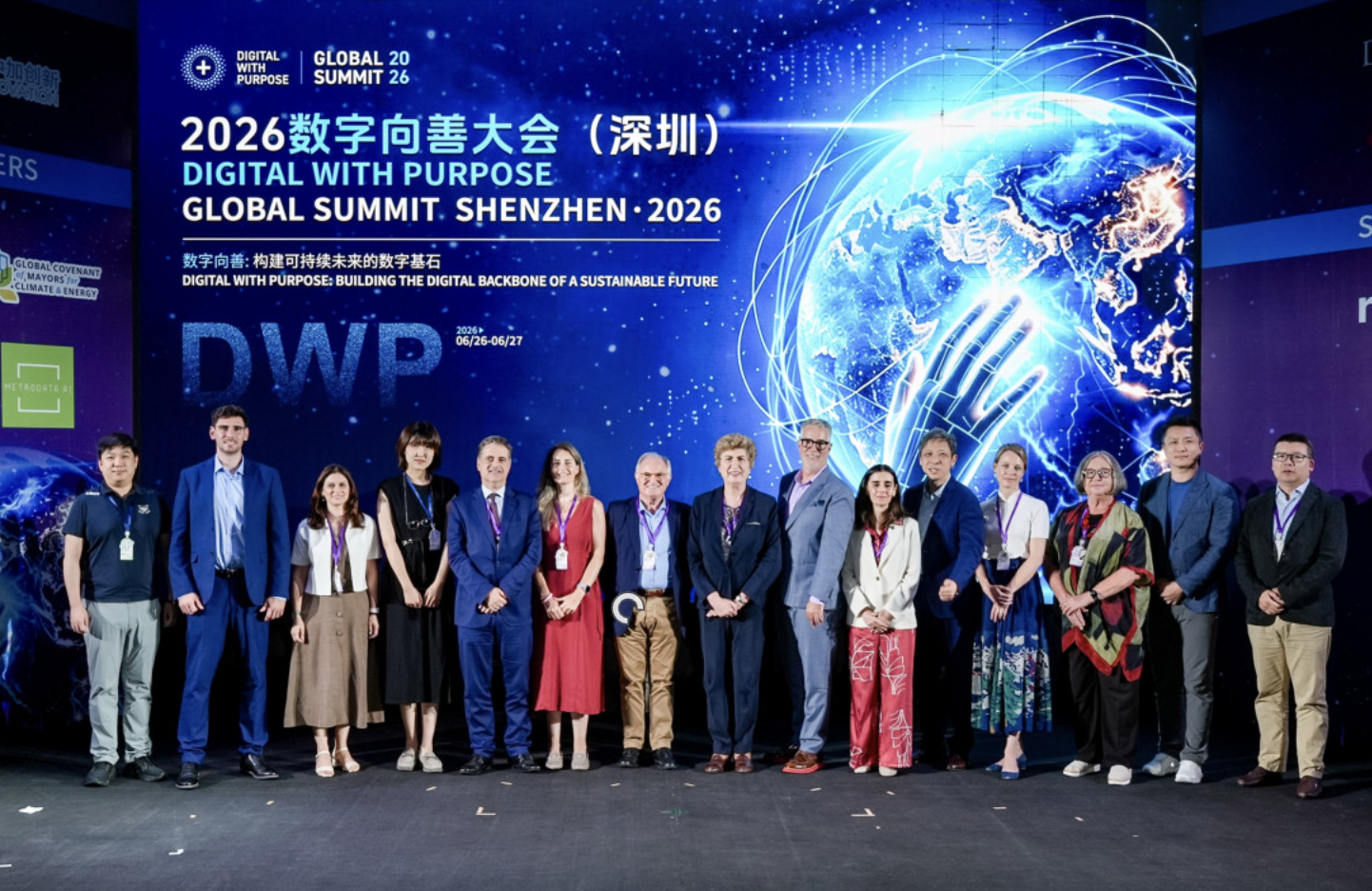
When leaders from business, finance, government, and academia gathered in Shenzhen for the Digital With Purpose Summit, organized by the Global Enabling Sustainability Initiative (GeSI), the challenge on the table went far beyond the raw technical capabilities of artificial intelligence. The debate centered on a more fundamental question: how to steer digital innovation toward measurable, scalable outcomes that balance enterprise competitiveness with inclusive societal progress and the resilience of global systems.
Over two days, the summit brought together companies and organizations from around the world committed to demonstrating how digital technologies can deliver concrete sustainability outcomes. The atmosphere was one of constructive collaboration, with innovative examples from across sectors and regions showing how much depends on the way we approach digital and AI adaptation — and how differently it can be done.
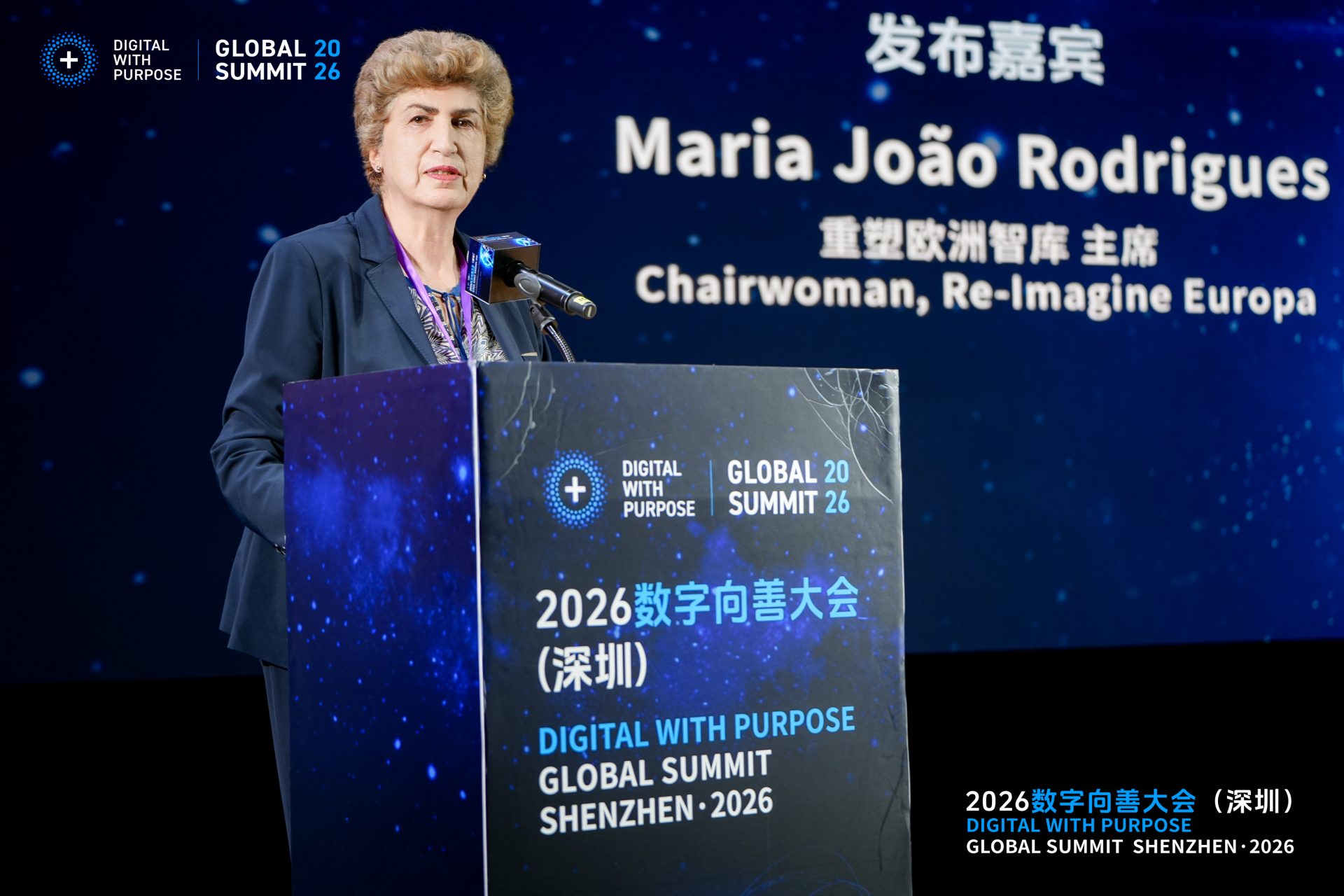
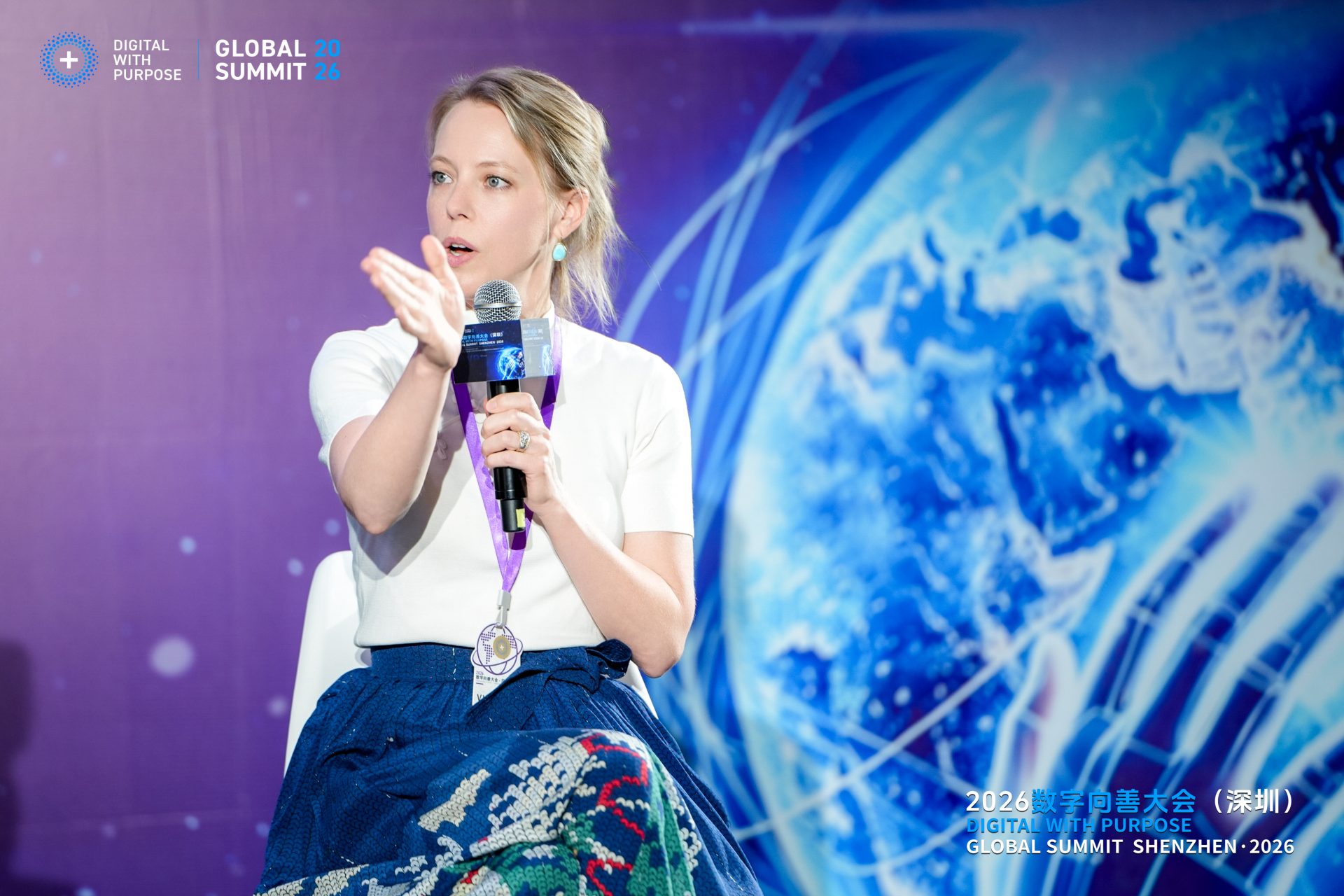
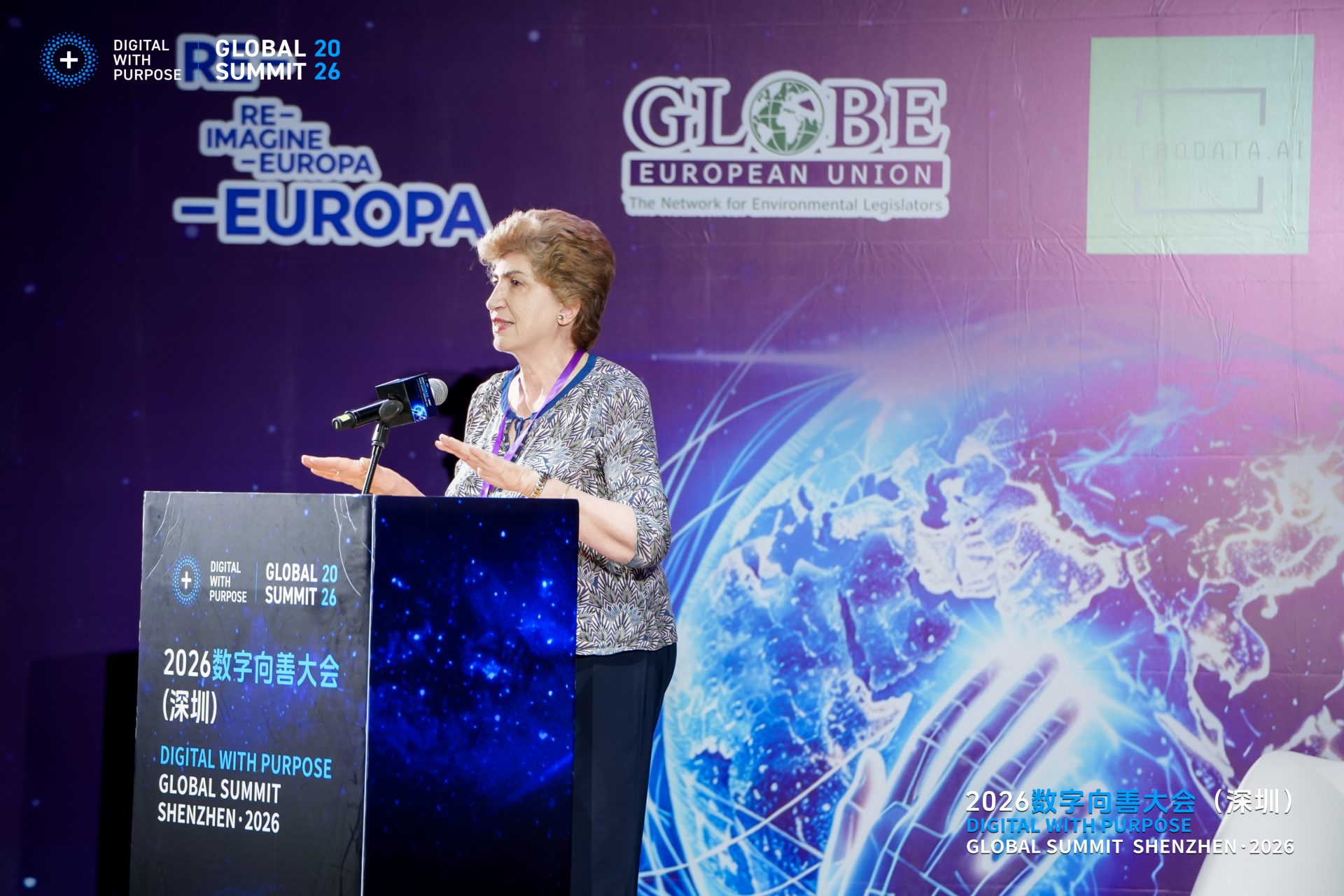
Re-Imagine Europa’s Chairwoman, Maria João Rodrigues, and CEO, Erika Staël von Holstein, contributed to the summit’s discussions on the strategic priorities required to ensure that emerging digital ecosystems generate genuine public value. Among the key topics they addressed were how to effectively merge economic development and competitiveness with social goals, the shifting landscape of global governance, and the role of cross-border cooperation in keeping the digital transition sustainable.
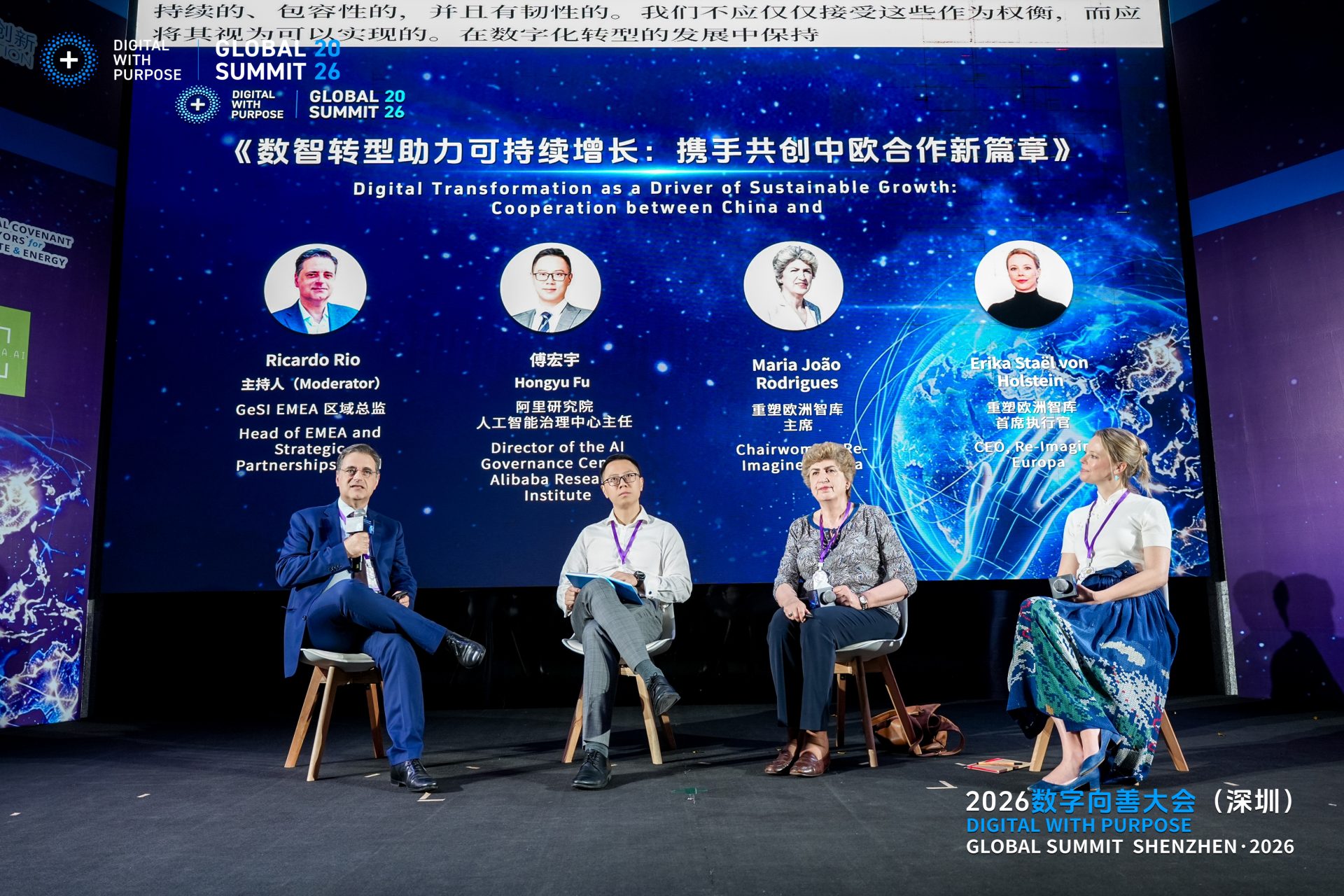
A highlight of the summit was the panel “Sustainability Digital Transformation as a Driver of Sustainable Growth: Cooperation between China and the European Union.“ Rodrigues and Staël von Holstein were joined on stage by Hongyu (Harris) Fu, Director of the AI Governance Center at the Alibaba Research Institute, who brought the perspective of China’s innovation ecosystem. The session offered something that happens too rarely at this level of candor: an open exchange between Europe and China on how each side is working to make digitalization, sustainability, and economic growth reinforce one another rather than compete.
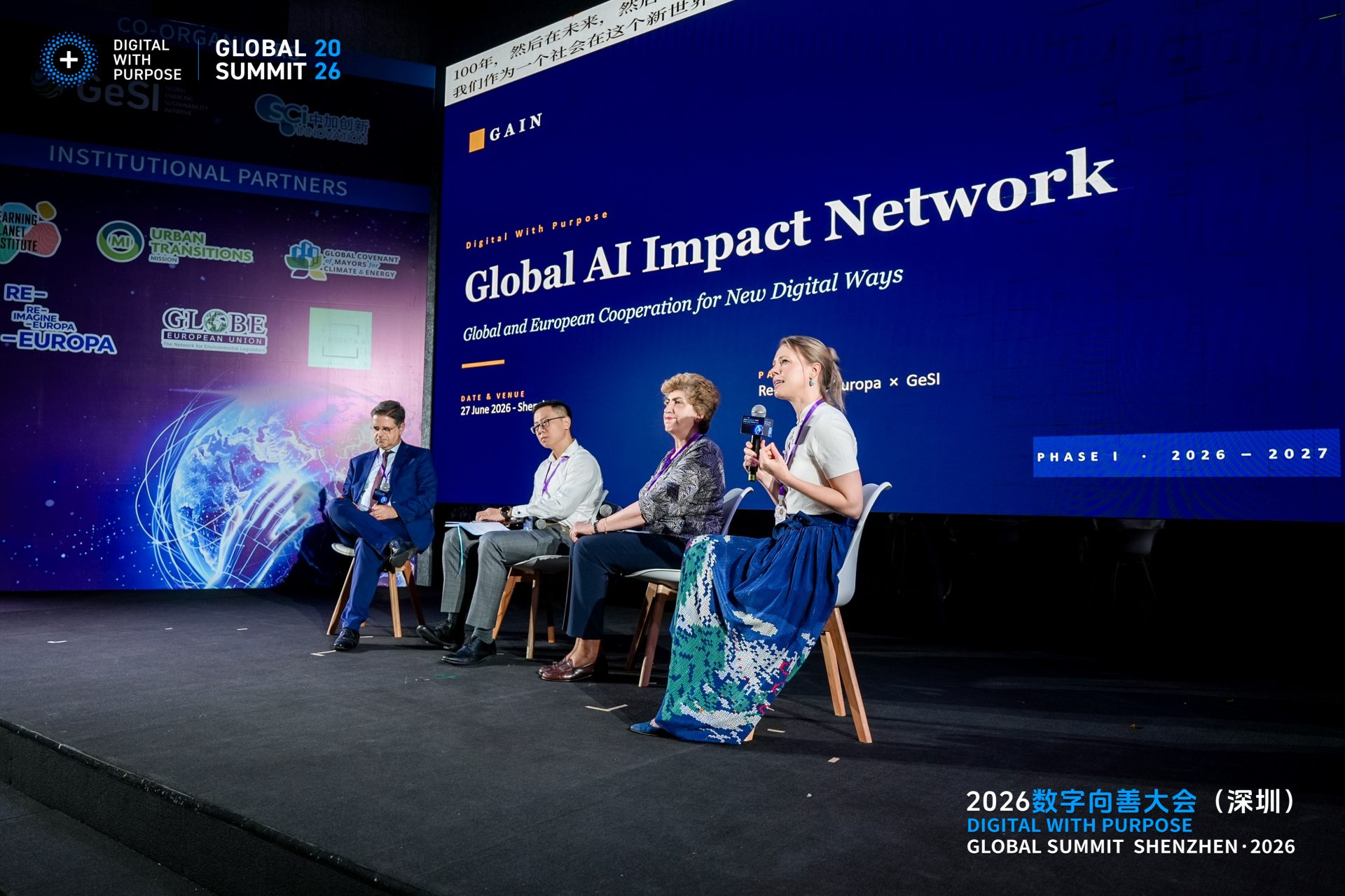
Introducing the Global AI Impact Network
Moving this approach from abstract discussion to practical policy requires structural frameworks. To clear this path, the summit served as the backdrop for introducing the Global AI Impact Network (GAIN), a joint initiative co-launched by Re-Imagine Europa and GeSI.
GAIN connects policymakers, industry executives, researchers, and civil society advocates within a common framework. Its objective is to balance market competitiveness with institutional responsibility, and rapid innovation with public trust. Crucially, GAIN aims to bridge the gap between the different narrative frames through which societies understand these challenges — because before we can align on solutions, we need to understand how differently the questions themselves are being framed.
In the coming months, GAIN will work with leading experts from all sectors and industries to map the narratives shaping today’s AI debate, define political strategies and pathways toward a sustainable and resilient model of AI governance, and identify concrete best practices that challenge preconceived ideas — practical examples that can help policymakers and decision-makers across the globe shape this new world.
By fostering direct international exchanges, such as the EU–China dialogue held during the summit, the network provides a functional space to examine how different innovation ecosystems handle identical questions of development, security, and governance.
Looking Ahead
The dynamics observed in Shenzhen reinforce the core focus of Re-Imagine Europa’s ongoing work: aligning technological progress with human values relies on steady, pragmatic international dialogue. Through its partnership with GeSI and the development of the GAIN network, Re-Imagine Europa will continue providing decision-makers with the independent, systemic insights required to navigate the digital age.