
T20 Summit: Rethining Global Governance for a Fragmented World
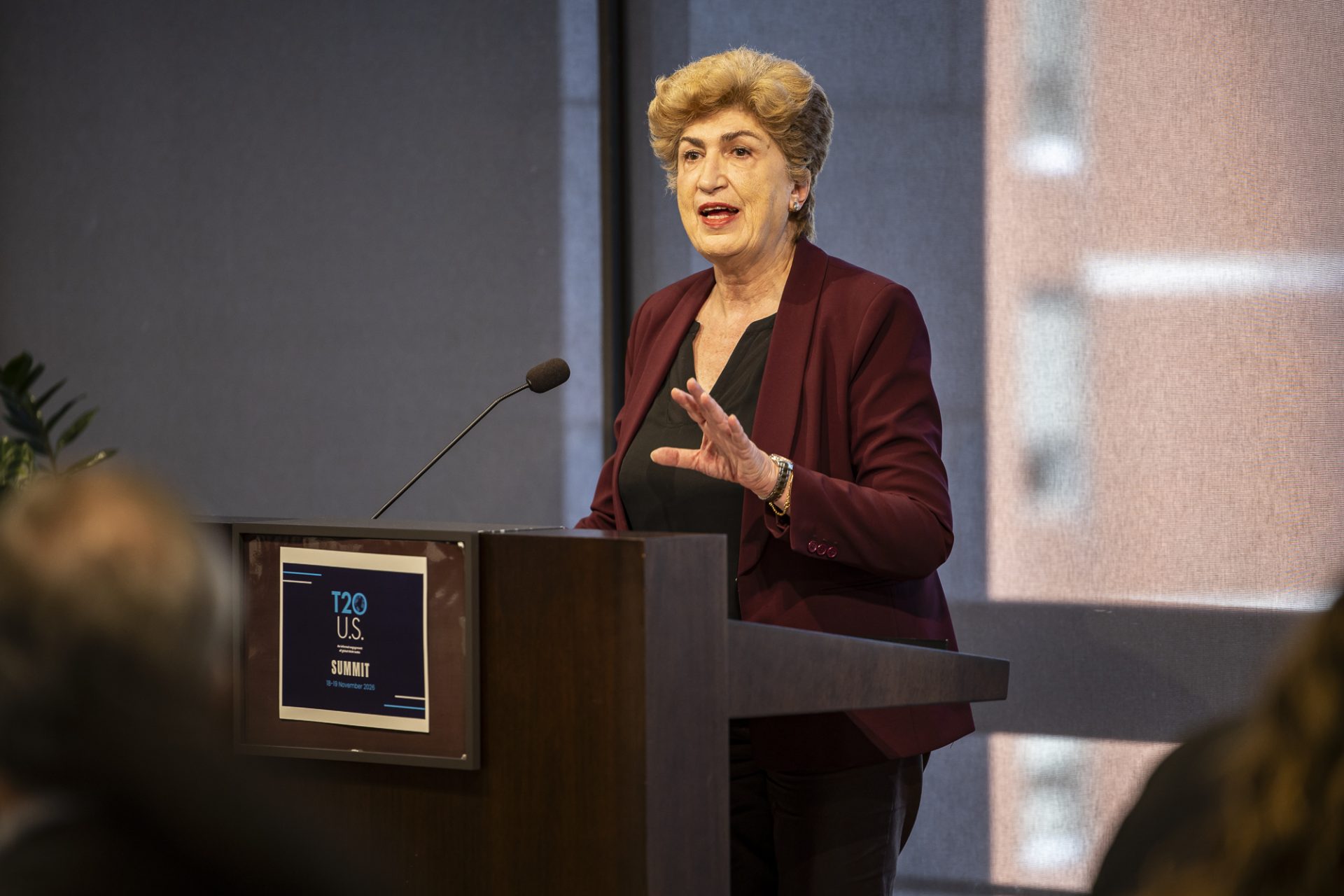
With multilateral cooperation under severe strain, Maria João Rodrigues, Chair of the Board of Re-Imagine Europa, moderated the opening plenary of the T20 US Summit—bringing a European perspective to the debate over how the United Nations and the G20 can bridge the gap between political pledges and tangible delivery.
How can global governance function when the post-war order is fracturing and no clear replacement has yet emerged? That question anchored the opening session at the Ford Foundation Center for Social Justice. Rodrigues was joined by UN Deputy Secretary-General Amina J. Mohammed, and Alexia Latortue, Head of the Secretariat for the Future of Development Cooperation Coalition. Together, they examined what multilateral institutions can realistically achieve amid sharpening geopolitical rivalries and waning trust in international rules.
Opening the dialogue, Maria João Rodrigues pointed to the competing pressures reshaping world politics: national retrenchment, great-power competition and institutional gridlock, alongside growing demands from the Global South for fairer representation and overdue institutional reform, including through the UN’s Pact for the Future. Against that backdrop, she asked the panellists how the UN and the G20 can reinforce each other rather than pull in opposite directions.
Bridging the UN and the G20
Much of the debate centred on the division of labour between the two bodies—and why their strengths so often fail to connect in practice. The UN remains the primary forum for shared norms, peace and security, offering universal membership and a voice to smaller or vulnerable states. The G20, by contrast, brings together the world’s largest economies and holds the financial leverage needed to turn political agreements into concrete policy.
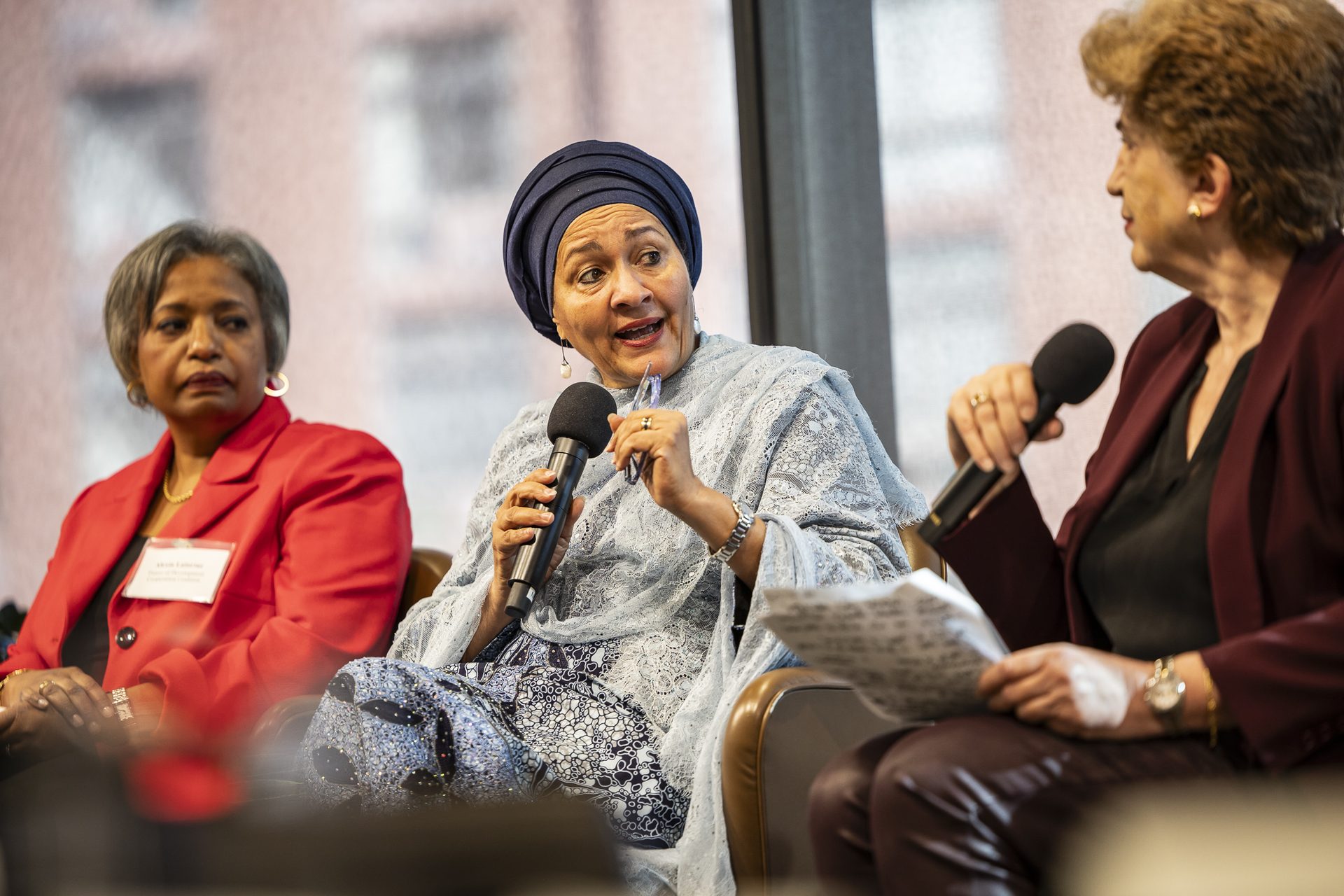
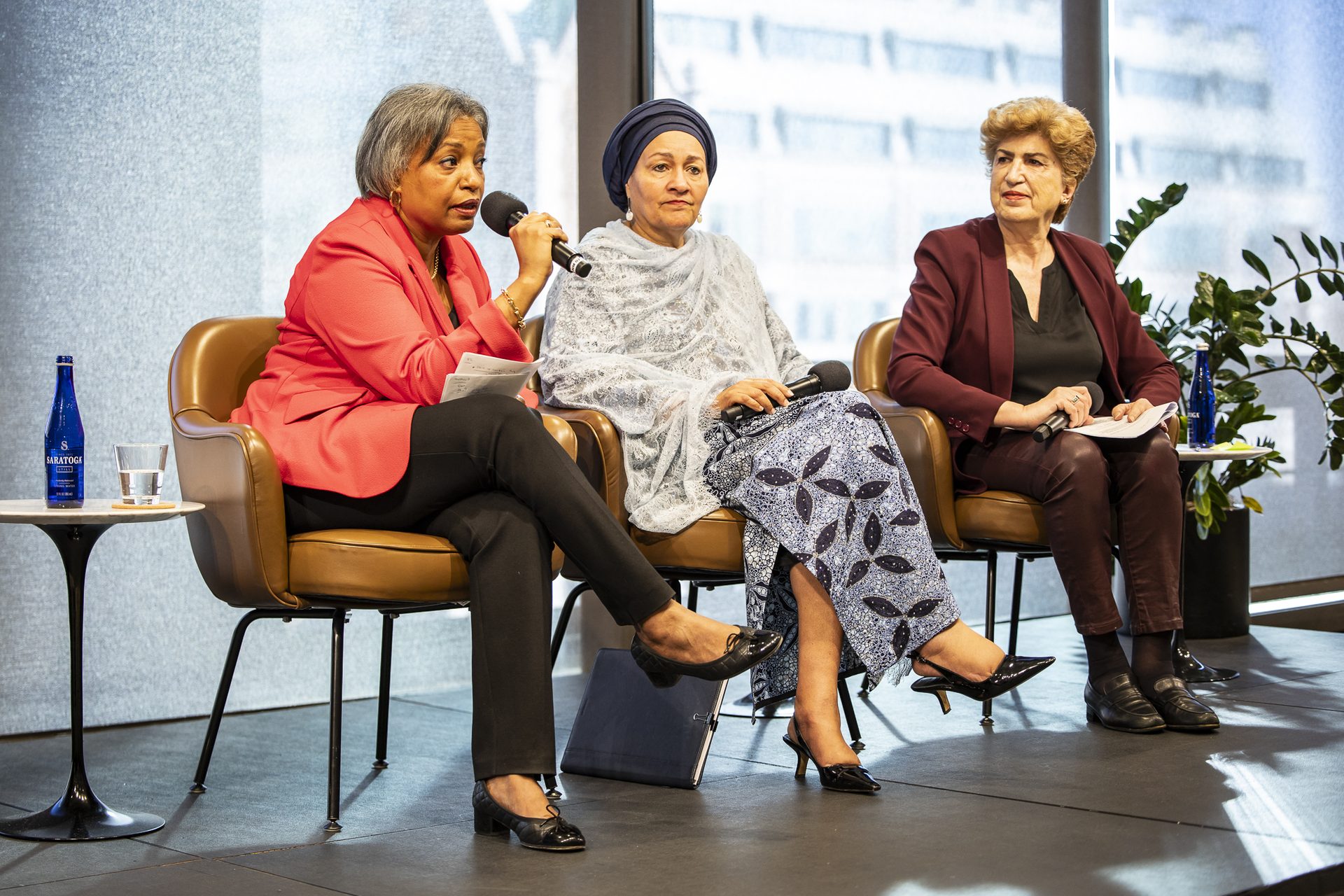
In theory, the two are complementary. In practice, geopolitical friction and disputes over representation frequently stall coordination. Pressing the panellists on what would make that partnership work, Rodrigues steered the conversation toward institutional habits: both forums, the speakers noted, need to become less top-heavy, more attuned to domestic political realities, and judged by measurable results rather than diplomatic process.
From G20 Pledges to Ground-Level Implementation
Turning to development finance, Rodrigues asked Mohammed to assess where negotiations actually stand on sovereign debt, multilateral development bank (MDB) reform, and the global financial safety net.
While new lending frameworks and debt-relief mechanisms are advancing on paper, the discussion underscored a stark bottleneck: dozens of developing countries remain trapped by shrinking fiscal space. Without deeper reform of the international financial architecture—and better conditions to crowd in investment—governments cannot finance basic priorities such as healthcare, education or climate resilience. That shortfall is already leaving the 2030 Sustainable Development Goals badly off track.
Throughout the exchange, Rodrigues kept returning to a straightforward test for global governance: whether financial agreements negotiated in international summits translate into visible improvements in people’s lives.
Beyond 2030: AI, Technology and Institutional Trust
In the final part of the session, Rodrigues shifted the focus toward structural trends that will shape the post-2030 development agenda. Artificial intelligence and digital governance featured prominently. Speakers agreed that neither can be treated purely as technical or regulatory files; their impact on labour markets, public administration and geopolitical power places them squarely at the centre of global governance.
At the same time, intersecting pressures—climate change, rapid urbanisation, migration and technological disruption—require institutions capable of working across silos if they are to retain public credibility.
The T20 US opening plenary laid bare both the limits of today’s multilateral system and the urgency of updating it—not merely to defend existing institutions, but to make them more representative and effective. By guiding the conversation from broad geopolitical diagnosis to the mechanics of financing and institutional reform, Rodrigues reinforced Re-Imagine Europa’s active role in transatlantic and global debates on the future of democratic governance.